
Embark on a journey through the world of B2B Market Research Strategies, where success lies in strategic planning and insightful analysis.
Explore the significance of research strategies, successful examples, and key components to stay ahead in the competitive market.
B2B Market Research Strategies
Business-to-business (B2B) market research plays a crucial role in helping companies understand their target market, competitors, and industry trends. By conducting thorough research, businesses can make informed decisions, develop effective marketing strategies, and stay ahead of the competition.
Importance of B2B Market Research
Effective B2B market research provides valuable insights that can guide businesses in identifying new opportunities, understanding customer needs, and optimizing their product offerings. It helps companies in making data-driven decisions and minimizing risks associated with entering new markets or launching new products.
Successful B2B Market Research Strategies
- Conducting in-depth interviews with key stakeholders: Engaging with key decision-makers and industry experts can provide valuable insights into market trends, challenges, and opportunities.
- Utilizing data analytics tools: Leveraging data analytics tools can help businesses analyze customer behavior, track market trends, and identify areas for growth.
- Competitor analysis: Studying competitors’ strategies, strengths, and weaknesses can help companies differentiate themselves and develop unique selling propositions.
Key Components of an Effective B2B Market Research Plan
- Setting clear research objectives: Defining specific goals and objectives for the research ensures that the findings are focused and actionable.
- Choosing the right research methods: Selecting the appropriate research methods, such as surveys, focus groups, or data analysis, based on the research objectives and target audience.
- Ensuring data quality and reliability: Collecting accurate and reliable data is essential for making informed decisions and drawing meaningful conclusions.
Market Analysis
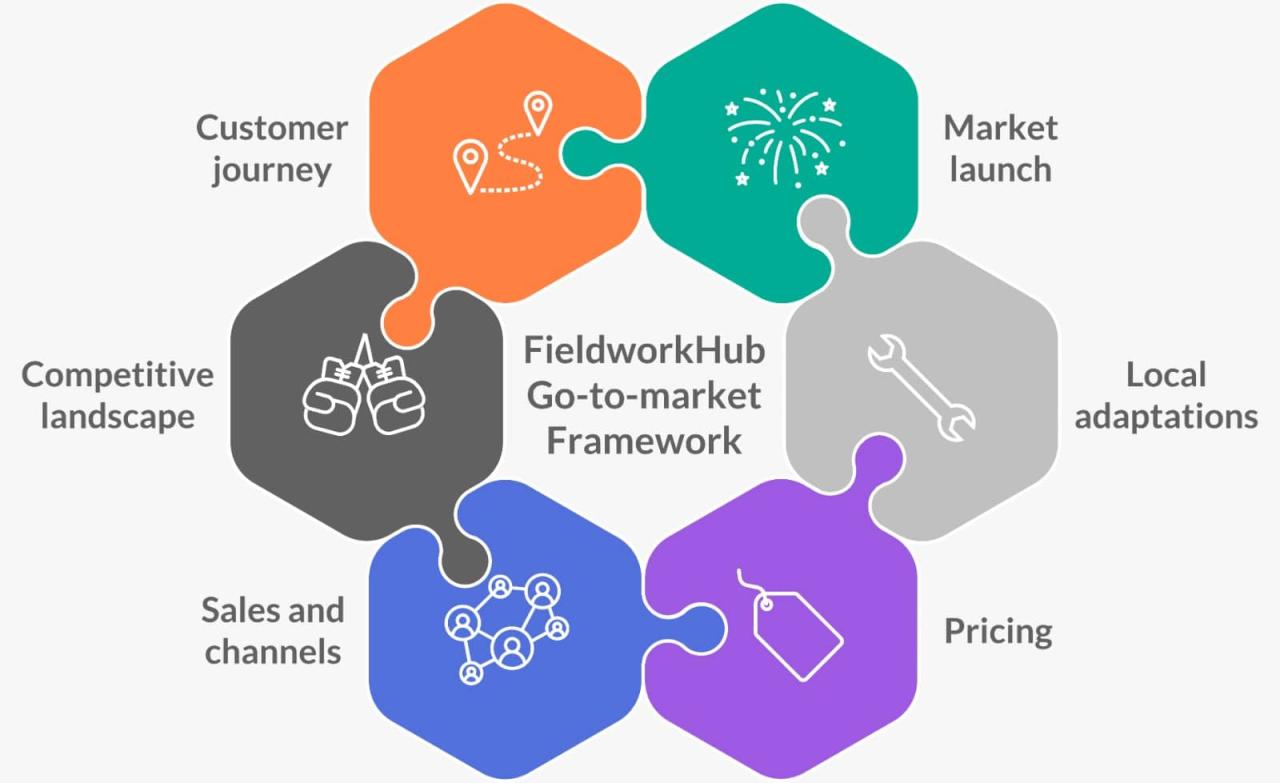
Market analysis plays a crucial role in helping businesses make informed decisions by providing valuable insights into market trends, consumer behavior, and competitive landscape.
Difference between Market Analysis and Market Research
Market analysis involves a more in-depth examination of market data and trends to identify opportunities and threats, while market research focuses on gathering specific information about consumers, products, or competitors.
Methods Used in Market Analysis
- SWOT Analysis: Assessing strengths, weaknesses, opportunities, and threats to understand the competitive landscape.
- Competitor Analysis: Evaluating the strategies, strengths, and weaknesses of key competitors in the market.
- Market Segmentation: Dividing the market into distinct groups based on demographics, behavior, or needs.
- Trend Analysis: Identifying patterns and shifts in consumer preferences, technology, or market dynamics.
How Market Analysis Helps in Decision-making
Market analysis provides businesses with valuable insights that can guide decision-making processes, such as:
- Identifying new market opportunities and niches to target.
- Evaluating the feasibility of launching a new product or service based on market demand.
- Understanding consumer preferences and behavior to tailor marketing strategies effectively.
- Assessing competitive threats and positioning strategies to gain a competitive advantage.
Market Volatility
Market volatility can have a significant impact on B2B businesses, affecting everything from supply chain management to customer demand. Navigating through such uncertain times requires strategic planning and the use of market research to make informed decisions.
Impact of Market Volatility on B2B Businesses
Market volatility can lead to fluctuations in demand, changes in pricing, disruptions in the supply chain, and overall uncertainty in the business environment. B2B companies must be prepared to adapt quickly to these changes to remain competitive and profitable.
- Companies may experience sudden shifts in customer demand, requiring them to adjust their production and inventory levels accordingly.
- Pricing strategies may need to be revised to account for changes in market conditions and competitor actions.
- Supply chain disruptions can impact the timely delivery of goods and services, leading to potential customer dissatisfaction.
Strategies to Navigate Market Volatility through Research
To navigate market volatility effectively, B2B businesses can utilize market research to gather valuable insights and make data-driven decisions. Some strategies include:
- Conducting regular market surveys to understand changing customer needs and preferences.
- Monitoring competitor activities and market trends to stay ahead of the curve.
- Utilizing predictive analytics to forecast market trends and anticipate potential challenges.
Real-World Examples of Companies Adapting to Market Volatility
One example of a company successfully adapting to market volatility through research-backed decisions is Amazon. The e-commerce giant constantly analyzes customer data and market trends to optimize its product offerings and pricing strategies, ensuring it remains competitive in a rapidly changing environment.Another example is IBM, which leverages market research to identify emerging technologies and industry trends, allowing the company to pivot its business focus accordingly.
By staying ahead of market shifts, IBM continues to innovate and maintain its position as a leader in the technology sector.
Market Research Techniques
Market research techniques play a crucial role in gathering valuable insights for B2B industries. By utilizing the right methods, businesses can make informed decisions and stay ahead of the competition. Let’s explore some effective market research techniques tailored for B2B sectors.
Comparing Market Research Techniques
- Surveys: Conducting surveys among B2B customers and stakeholders can provide quantitative data on preferences, satisfaction levels, and market trends.
- Interviews: In-depth interviews with key decision-makers in B2B companies can offer qualitative insights into challenges, needs, and future expectations.
- Data Analysis: Utilizing data analytics tools to analyze market trends, customer behavior, and competitor strategies can help in making data-driven decisions.
- Focus Groups: Organizing focus groups with representatives from B2B target segments can uncover deeper insights into product preferences and pain points.
Designing a Market Research Framework
A well-designed market research framework for B2B market analysis should include the following steps:
- Define Objectives: Clearly Artikel the goals and objectives of the market research to ensure alignment with business strategies.
- Identify Target Audience: Define the specific B2B segments to be targeted for data collection and analysis.
- Choose Methodology: Select the appropriate research techniques based on the objectives, budget, and resources available.
- Collect Data: Gather relevant data through surveys, interviews, focus groups, and other data collection methods.
- Analyze Findings: Analyze the collected data to identify patterns, trends, and actionable insights for decision-making.
- Implement Recommendations: Translate the research findings into actionable recommendations to drive business growth and success.
Steps for Conducting Effective Market Research in B2B Sectors
Effective market research in B2B sectors involves a systematic approach to gather and analyze relevant data. Here are the steps involved:
- Define Research Objectives: Clearly Artikel the specific goals and objectives of the market research study.
- Identify Target Audience: Define the key stakeholders, decision-makers, and influencers within the B2B industry to target for data collection.
- Choose Research Methods: Select the appropriate research techniques such as surveys, interviews, and data analysis tools based on the research objectives.
- Collect Data: Gather data from primary and secondary sources to gain insights into market trends, customer preferences, and competitor strategies.
- Analyze Data: Utilize data analytics tools to analyze the collected data and extract meaningful insights to inform business decisions.
- Report and Recommendations: Present the research findings in a comprehensive report with actionable recommendations for strategic decision-making in the B2B sector.
Wrap up your understanding with a comprehensive view of B2B Market Research Strategies, empowering businesses to make informed decisions and drive growth.
Common Queries
How does market volatility affect B2B businesses?
Market volatility can impact B2B businesses by causing unpredictable shifts in demand and supply, affecting pricing and overall market dynamics.
What are some effective market research techniques for B2B industries?
Effective market research techniques for B2B industries include customer surveys, competitor analysis, and industry trend monitoring.


