Embark on a journey through the realm of Competitive Market Research, where insights and strategies converge to shape businesses’ competitive edge in the market landscape.
Delve deeper into the nuances of market analysis techniques and research strategies that propel businesses towards success.
Introduction to Competitive Market Research
Competitive market research is the process of collecting and analyzing information about competitors in a particular industry to gain insights and strategic advantages. It helps businesses understand the competitive landscape, identify market trends, and make informed decisions to stay ahead in the market.
Objectives of Competitive Market Research
- Identifying competitors and their positioning in the market.
- Understanding competitor strategies and tactics.
- Evaluating market trends and consumer behavior.
- Spotting opportunities and threats in the market.
Competitive market research serves several key objectives:
Benefits of Competitive Market Research for Businesses
- Helps in developing effective marketing strategies.
- Allows businesses to differentiate themselves from competitors.
- Enables better decision-making based on market insights.
- Identifies gaps in the market that can be leveraged for growth.
Conducting competitive market research offers numerous advantages:
Market Analysis Techniques

Market analysis techniques are critical for businesses to gain insights into market trends, customer behaviors, and competitive landscapes. By utilizing various tools and methods, companies can make informed decisions to stay ahead of the competition. Data interpretation plays a vital role in extracting meaningful insights from the collected data, enabling businesses to strategize effectively.
SWOT Analysis
SWOT analysis is a widely used technique in market analysis, helping businesses identify their strengths, weaknesses, opportunities, and threats. By examining internal factors (strengths and weaknesses) and external factors (opportunities and threats), companies can develop strategies to leverage their strengths and capitalize on opportunities while mitigating weaknesses and threats.
Market Segmentation
Market segmentation involves dividing a market into distinct segments based on demographics, psychographics, behavior, or other factors. This technique helps businesses target specific customer groups with tailored marketing strategies and product offerings. By understanding the unique needs and preferences of each segment, companies can optimize their marketing efforts and maximize customer engagement.
Competitor Analysis
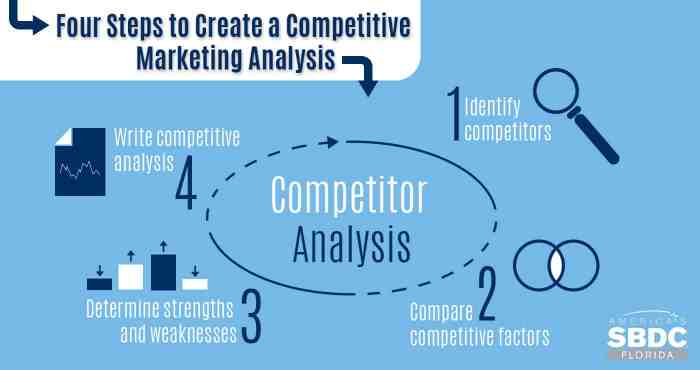
Competitor analysis allows businesses to evaluate their competitors’ strengths, weaknesses, strategies, and market positioning. By comparing key metrics such as market share, pricing strategies, product offerings, and customer satisfaction levels, companies can identify opportunities for differentiation and competitive advantage. Tools like competitive benchmarking and market share analysis aid in conducting a thorough competitor analysis.
Data Visualization
Data visualization tools such as charts, graphs, and dashboards help businesses visually represent complex market data for easier analysis and interpretation. By presenting data in a visually appealing format, companies can identify trends, patterns, and correlations more effectively, leading to data-driven decision-making.
Trend Analysis
Trend analysis involves examining historical data to identify patterns, trends, and cycles in the market. By analyzing past performance and forecasting future trends, businesses can anticipate market changes, consumer preferences, and emerging opportunities. Trend analysis tools like time series analysis and regression models assist in predicting market dynamics.
Market Research Strategies
Effective market research is crucial for businesses to stay competitive in today’s dynamic market environment. By exploring different strategies and leveraging both qualitative and quantitative research methods, companies can gain valuable insights to make informed decisions and gain a competitive advantage.
Qualitative vs. Quantitative Research Methods
- Qualitative research focuses on understanding the “why” behind consumer behaviors and preferences. It involves techniques such as interviews, focus groups, and observations to gather in-depth insights.
- Quantitative research, on the other hand, focuses on numerical data and statistical analysis to quantify trends and patterns. Surveys, questionnaires, and experiments are common methods used in quantitative research.
- Businesses can benefit from using a combination of both qualitative and quantitative research methods to get a comprehensive understanding of the market and consumer behavior.
Leveraging Market Research for Competitive Advantage
- Identifying market trends and consumer preferences through research can help businesses anticipate changes in the market and stay ahead of competitors.
- Market research can also aid in product development by providing insights into what customers are looking for and how to meet their needs effectively.
- Understanding the competitive landscape through research allows businesses to position themselves strategically and differentiate their offerings from competitors.
Market Volatility Impact
Market volatility can have a significant impact on competitive market research, affecting the reliability and accuracy of the data collected. Fluctuations in market conditions, such as sudden changes in supply and demand, economic instability, or unforeseen events, can make it challenging to gather relevant information for analysis.
Effects of Market Volatility
Market volatility can lead to unreliable data, making it difficult to make informed decisions based on the findings of competitive market research. Rapid changes in consumer behavior, pricing strategies, and competitive landscape can skew the results, ultimately impacting the effectiveness of the research process.
- Increased risk: Market volatility can introduce higher levels of risk in decision-making processes, as the information gathered may not accurately reflect the current market conditions.
- Difficulty in forecasting: Sudden shifts in market trends can make it challenging to predict future outcomes or trends, leading to potential inaccuracies in research projections.
- Competitive disadvantage: Companies that fail to adapt to market volatility during research may find themselves at a competitive disadvantage, as their strategies may not align with the rapidly changing market dynamics.
Adapting to Market Volatility
To mitigate the impact of market volatility on competitive market research, companies can adopt several strategies to ensure the reliability of their findings and adapt to changing conditions effectively.
Utilizing real-time data analytics and monitoring tools can help in capturing and analyzing market trends as they unfold, allowing for quick adjustments to research methodologies and strategies.
- Flexible research approaches: Implementing agile research methodologies that can quickly adapt to changing market conditions can help in maintaining the relevance and accuracy of research outcomes.
- Diversification of data sources: Relying on a diverse set of data sources can provide a more comprehensive view of the market, reducing the impact of volatility on research conclusions.
- Scenario planning: Developing multiple research scenarios based on different market conditions can help in preparing for potential outcomes and adjusting research strategies accordingly.
Examples of Industries Affected by Market Volatility
Market volatility can significantly influence research outcomes in industries such as:
- Financial services: Fluctuations in interest rates, stock prices, and economic indicators can impact market research in the financial sector.
- Technology: Rapid advancements in technology and changes in consumer preferences can introduce volatility in market research findings for tech companies.
- Energy: Price fluctuations in oil and gas markets can affect the research outcomes for companies operating in the energy sector.
In conclusion, Competitive Market Research emerges as a powerful tool for businesses to navigate market volatility, seize opportunities, and stay ahead of the competition.
Popular Questions
What is the importance of competitive market research?
Competitive market research allows businesses to understand their competition, identify market trends, and make informed strategic decisions.
How can businesses leverage market research for a competitive advantage?
Businesses can leverage market research by gaining insights into consumer behavior, market trends, and competitor strategies to position themselves effectively in the market.


