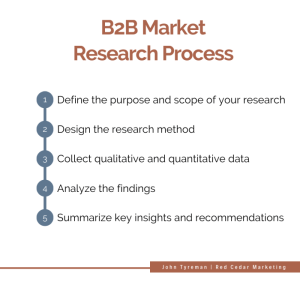
With Conducting Market Research for New Products at the forefront, this paragraph opens a window to an amazing start and intrigue, inviting readers to embark on a storytelling journey filled with unexpected twists and insights. Market research is the cornerstone of successful product launches, providing invaluable insights into customer needs and market dynamics. Let’s delve into the world of market research for new products and explore its significance in today’s competitive landscape.
Importance of Market Research
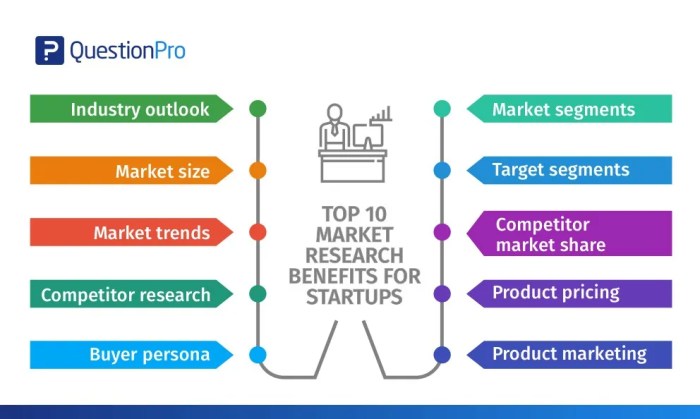
Market research is a crucial step in the process of launching new products as it provides valuable insights into the market dynamics, customer preferences, and competitive landscape. Conducting thorough market research before product development can significantly increase the chances of success by helping businesses make informed decisions based on data-driven analysis.
Understanding Customer Needs and Preferences
Market research plays a vital role in understanding customer needs and preferences. By gathering and analyzing data on consumer behavior, purchasing patterns, and feedback, businesses can tailor their products to meet the specific needs of their target audience. This not only helps in developing products that resonate with customers but also increases customer satisfaction and loyalty.
- Identifying market trends and opportunities
- Evaluating the competitive landscape
- Optimizing pricing and positioning strategies
- Minimizing risks and maximizing returns
Types of Market Research
Market research can be conducted using various methods to gather insights and data about consumer preferences, market trends, and competition. Two main approaches to market research are qualitative and quantitative methods, each serving different purposes and providing valuable information for decision-making.
Qualitative Market Research
Qualitative market research involves collecting non-numerical data to understand consumer behavior, preferences, and motivations. This type of research focuses on exploring attitudes, opinions, and underlying reasons behind consumer actions. Techniques commonly used in qualitative research include focus groups, in-depth interviews, and observational studies.
Quantitative Market Research
Quantitative market research, on the other hand, involves the collection of numerical data that can be analyzed statistically. This approach aims to measure and quantify aspects such as market size, consumer demographics, and purchasing patterns. Surveys, questionnaires, and experiments are commonly used quantitative research methods to gather data from a large sample size for statistical analysis.
Primary Market Research Techniques
Primary market research involves collecting data directly from the source, such as consumers or target audience. Some examples of primary research techniques include:
- Surveys: Questionnaires distributed to target consumers to gather feedback and insights.
- Interviews: One-on-one or group discussions with consumers to understand their preferences and behaviors.
- Observational Studies: Directly observing consumer behavior in real-life settings to gather insights.
Secondary Market Research Techniques
Secondary market research involves gathering data that already exists, such as reports, studies, and statistics from sources like government agencies, industry associations, and market research firms. Some examples of secondary research techniques include:
- Market Reports: Analyzing published reports about market trends, consumer behavior, and competitive landscape.
- Industry Studies: Reviewing studies conducted by industry experts to understand market dynamics.
- Competitor Analysis: Studying competitors’ strategies, products, and market positioning to identify opportunities and threats.
Conducting Market Analysis
Market analysis is a crucial step in understanding the dynamics of a market and making informed decisions regarding new product development. By conducting a comprehensive market analysis, companies can gather valuable insights that can guide their strategies and increase their chances of success in the marketplace.
Steps in Conducting Market Analysis
- Identify the market size and growth potential by analyzing trends and historical data.
- Segment the market based on demographics, psychographics, and behavioral factors to target specific customer groups.
- Evaluate the market competition to understand the competitive landscape and identify opportunities for differentiation.
- Analyze consumer preferences and buying patterns to tailor products and marketing strategies accordingly.
- Assess regulatory and legal factors that may impact product development and market entry.
Identifying Target Markets through Market Analysis
- Define the characteristics of your ideal customer based on the segmentation analysis.
- Identify the needs and pain points of your target market to create products that address their specific demands.
- Explore the channels and platforms where your target market is most active to optimize marketing efforts.
Analyzing Competitors during Market Research
- Study the products, pricing strategies, and marketing tactics of key competitors to identify strengths and weaknesses.
- Assess the market share and brand reputation of competitors to understand their position in the market.
- Identify gaps in the market that your competitors have not addressed to capitalize on untapped opportunities.
Market Volatility Considerations
Market volatility can have a significant impact on new product launches, as sudden changes in the market can affect consumer behavior, demand, and overall sales. It is essential for businesses to be prepared for market fluctuations and to have strategies in place to mitigate risks associated with market volatility.
Impact of Market Volatility on New Product Launches
Market volatility can lead to unpredictable consumer preferences, economic instability, and changes in buying patterns. This can result in challenges for new product launches, such as fluctuating demand, pricing uncertainties, and supply chain disruptions.
Strategies for Mitigating Risks
- Monitor market trends regularly to anticipate changes and adjust strategies accordingly.
- Diversify product offerings to cater to different market segments and reduce dependence on a single product.
- Implement flexible pricing strategies to adapt to changing market conditions and maintain competitiveness.
- Establish strong relationships with suppliers and partners to ensure a stable supply chain even during market fluctuations.
Role of Market Research in Adapting to Changing Market Conditions
Market research plays a crucial role in helping businesses adapt to changing market conditions by providing valuable insights into consumer preferences, competitive landscapes, and emerging trends. By conducting ongoing market research, businesses can stay ahead of market volatility, identify opportunities, and make informed decisions to navigate uncertain market environments.
Implementing Findings
Market research findings are only valuable if they can be translated into actionable insights that drive strategic decision-making. This process involves analyzing the data collected, identifying key trends and patterns, and extracting meaningful conclusions to guide product development and marketing strategies.
Translating Market Research into Actionable Insights
Market research findings can be implemented effectively by:
- Identifying customer needs and preferences: Analyzing customer feedback and behavior to understand what drives their purchasing decisions.
- Segmenting target markets: Dividing the market into distinct groups based on demographics, psychographics, or buying behavior to tailor products and marketing strategies accordingly.
- Setting clear objectives: Establishing specific goals and objectives based on research findings to guide product development, pricing, and promotion strategies.
Incorporating Customer Feedback into Product Development
Customer feedback is crucial for product development as it provides insights into consumer preferences, pain points, and expectations. By incorporating customer feedback into the product development process, companies can:
- Improve product features: Addressing customer suggestions and complaints to enhance product functionality and usability.
- Enhance customer satisfaction: Meeting customer expectations by developing products that align with their needs and preferences.
- Increase brand loyalty: Building strong relationships with customers by valuing their feedback and continuously improving products based on their input.
Successful Product Launches Driven by Market Research
Effective market research has been instrumental in the success of numerous product launches. For example:
- Apple’s iPhone: Apple conducted extensive market research to understand consumer preferences and behavior, leading to the development of the revolutionary iPhone that transformed the smartphone industry.
- Netflix’s Original Content: Netflix leveraged market research data to identify gaps in the entertainment industry and create original content that resonated with viewers, resulting in a successful streaming platform.
- Tesla’s Electric Vehicles: Tesla utilized market research findings to target environmentally conscious consumers and develop high-performance electric vehicles that disrupted the automotive industry.
In conclusion, conducting market research for new products is not just beneficial but essential in today’s fast-paced market environment. By understanding customer preferences, identifying target markets, and adapting to changing conditions, businesses can effectively launch successful products. Stay ahead of the curve by harnessing the power of market research for your new product endeavors.
Helpful Answers
How does market research impact new product launches?
Market research provides crucial insights into customer needs and preferences, helping businesses tailor their products to meet market demands effectively.
What are the different types of market research methods?
Market research methods include qualitative and quantitative approaches, primary and secondary research techniques, surveys, focus groups, and more.
Why is analyzing competitors important in market research?
Competitor analysis allows businesses to identify market gaps, differentiate their products, and stay ahead in the competitive landscape.