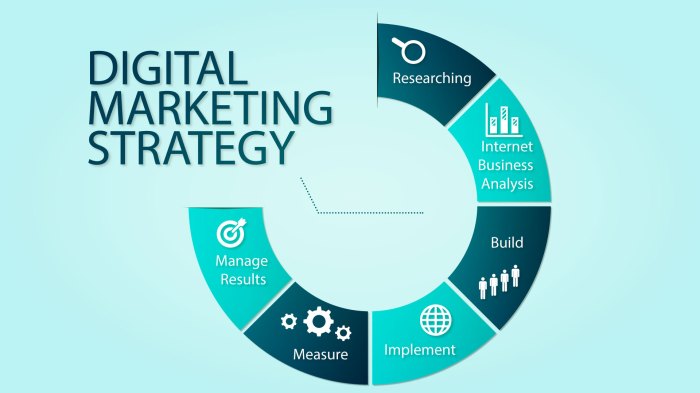
Embark on a journey through the realm of Digital Market Analysis Strategies, where businesses thrive by harnessing the power of data and insights to stay ahead of the competition.
Explore the dynamic world of market analysis, from navigating market volatility to implementing effective strategies that drive growth and innovation.
Importance of Digital Market Analysis

Conducting digital market analysis is crucial for businesses in today’s competitive landscape. By analyzing digital markets, companies can gain valuable insights that help them make informed decisions and stay ahead of the curve.
Benefits of Digital Market Analysis
- Identifying market trends and consumer behavior: Digital market analysis allows businesses to understand current trends and consumer preferences, helping them tailor their products and services accordingly.
- Competitor analysis: By analyzing competitors’ strategies and performance in the digital space, companies can identify opportunities for growth and areas for improvement.
- Optimizing marketing campaigns: Through market analysis, businesses can determine the most effective channels and messages to reach their target audience, maximizing the impact of their marketing efforts.
Key Reasons for Digital Market Analysis
- Strategic decision-making: Digital market analysis provides data-driven insights that enable businesses to make strategic decisions that align with their goals and objectives.
- Enhanced competitiveness: By staying informed about market trends and competitor activities, companies can position themselves as industry leaders and remain competitive in the digital space.
- Improved ROI: Understanding the digital market landscape helps businesses allocate resources more effectively, leading to improved return on investment and overall business performance.
Market Research Strategies
Market research is crucial for businesses to understand their target audience, competitors, and industry trends. In the digital landscape, various strategies are employed to gather valuable insights and make informed decisions. Let’s explore different market research strategies and how they have evolved in the digital age.
Traditional vs. Modern Market Research Methods
In the past, traditional market research methods involved surveys, focus groups, and interviews. While these methods are still used today, modern digital market research techniques have revolutionized the way businesses collect and analyze data. Digital tools such as social media analytics, web analytics, and online surveys provide real-time data and insights at a fraction of the cost of traditional methods.
Companies can now track consumer behavior, preferences, and engagement online, allowing for more targeted marketing campaigns and product development.
Examples of Successful Market Research Strategies
1. Amazon
Amazon utilizes customer data to personalize product recommendations and improve the overall shopping experience. By analyzing purchase history, browsing behavior, and reviews, Amazon can tailor its offerings to individual preferences, increasing customer satisfaction and loyalty.
2. Netflix
Netflix gathers user data to recommend personalized content based on viewing habits and ratings. This data-driven approach has helped Netflix attract and retain subscribers by offering a curated selection of movies and TV shows tailored to each user’s interests.
3. Airbnb
Airbnb conducts market research to understand traveler preferences and trends in the hospitality industry. By analyzing user reviews, search queries, and booking patterns, Airbnb can optimize its platform to meet the needs of both hosts and guests, leading to increased bookings and revenue.These examples demonstrate how leading companies leverage digital market research strategies to gain a competitive edge and drive business growth in today’s fast-paced digital environment.
Analyzing Market Volatility
Market volatility can have a significant impact on digital markets, affecting consumer behavior, pricing strategies, and overall market dynamics. Businesses need to adapt their strategies to navigate through these uncertain times and capitalize on opportunities that arise.
Impact of Market Volatility
Market volatility can lead to rapid changes in consumer demand, shifts in competitive landscapes, and fluctuations in pricing. It can also create uncertainty for businesses, making it challenging to forecast sales and plan marketing initiatives effectively.
- Increased risk: Market volatility can expose businesses to higher levels of risk, especially if they are unprepared to handle sudden changes in market conditions.
- Opportunity for growth: Despite the challenges, market volatility can also present opportunities for businesses to innovate, enter new markets, or diversify their product offerings.
- Impact on consumer behavior: Changes in market volatility can influence consumer spending patterns, leading to shifts in purchasing decisions and preferences.
Adapting Strategies for Market Volatility
To navigate through market volatility, businesses can implement several strategies to mitigate risks and capitalize on opportunities. These strategies may include:
- Market research: Conducting thorough market research can help businesses understand changing consumer preferences, competitive landscapes, and emerging trends, enabling them to make informed decisions.
- Flexible pricing strategies: Implementing dynamic pricing strategies can help businesses adjust prices in real-time based on demand, supply, and market conditions.
- Diversification: Diversifying product offerings, target markets, or distribution channels can help businesses reduce reliance on a single market segment and minimize exposure to market volatility.
Tools and Techniques for Analyzing Market Volatility
Analyzing and predicting market volatility requires the use of advanced tools and techniques to identify trends, patterns, and potential risks. Some common tools and techniques include:
Statistical models: Utilizing statistical models such as regression analysis, time series analysis, and machine learning algorithms can help businesses identify patterns and forecast market movements.
- Volatility indices: Monitoring volatility indices such as the VIX (CBOE Volatility Index) can provide insights into market sentiment and expectations, helping businesses anticipate potential market shifts.
- Sentiment analysis: Analyzing social media trends, news articles, and consumer sentiments can help businesses gauge market sentiment and identify potential opportunities or risks.
- Technical analysis: Using technical analysis tools like moving averages, Bollinger Bands, and Relative Strength Index (RSI) can help businesses analyze historical price data and identify potential entry or exit points in the market.
Implementing Effective Market Analysis
Implementing an effective digital market analysis strategy is crucial for businesses to stay competitive and make informed decisions. By following the right steps and best practices, companies can collect and analyze data effectively, leading to valuable insights for driving growth.
Steps for Implementing an Effective Digital Market Analysis Strategy
- Define clear objectives: Clearly Artikel what you want to achieve with your market analysis to ensure focused data collection.
- Identify key metrics: Determine the relevant KPIs and data points that will help you measure the success of your digital marketing efforts.
- Utilize tools and technology: Leverage digital marketing tools and technologies to gather, analyze, and visualize data efficiently.
- Monitor trends and patterns: Regularly track market trends and patterns to identify opportunities and threats in real-time.
- Adjust strategies: Use the insights gained from market analysis to adjust your digital marketing strategies and optimize performance.
Best Practices for Collecting and Analyzing Data in Digital Market Analysis
- Ensure data accuracy: Collect data from reliable sources and maintain data integrity throughout the analysis process.
- Segment data effectively: Organize data into meaningful segments to identify specific trends and patterns that may impact your marketing strategies.
- Utilize data visualization: Use charts, graphs, and other visual aids to present data in a clear and understandable manner for better decision-making.
- Combine quantitative and qualitative data: Incorporate both quantitative metrics and qualitative insights to gain a holistic view of market dynamics.
Tips for Interpreting Market Analysis Results and Making Informed Decisions
- Look for correlations: Identify correlations between different data points to uncover hidden relationships and insights.
- Stay updated: Continuously monitor market trends and competitor activities to stay ahead of the curve and adapt your strategies accordingly.
- Seek feedback: Gather feedback from customers and stakeholders to validate your analysis and ensure alignment with market needs.
- Test hypotheses: Use A/B testing and other experimentation methods to test hypotheses derived from your market analysis and refine your strategies.
In conclusion, Digital Market Analysis Strategies serve as a cornerstone for businesses seeking to make informed decisions and capitalize on emerging trends in the ever-evolving digital market space.
Q&A
What are the key benefits of conducting digital market analysis?
Digital market analysis helps businesses gain valuable insights into consumer behavior, market trends, and competitor strategies, enabling informed decision-making for sustainable growth.
How can businesses adapt their strategies to navigate market volatility effectively?
Businesses can adapt by diversifying their product offerings, enhancing customer engagement, and utilizing data-driven insights to anticipate market shifts and proactively respond to changes.
What are some best practices for interpreting market analysis results?
Best practices include identifying key trends, analyzing patterns, and translating data into actionable strategies that align with business goals and objectives.
How do modern digital market research techniques differ from traditional methods?
Modern digital market research techniques leverage advanced technologies, real-time data analytics, and AI-driven tools to gather and interpret data swiftly, providing businesses with a competitive edge in the fast-paced digital landscape.


